

Transform Your Garden: Expert Tips from Hardscaping Companies
Hardscaping can completely transform an outdoor living space by adding structure, functionality, and lasting visual appeal. Features such as patios, walkways, retaining walls, and decorative stonework create inviting areas for relaxation while improving the overall organization of a landscape. Whether you are updating a small backyard or redesigning an expansive property, thoughtful planning helps ensure every feature works together to complement your home's architecture and surrounding environment. Many homeowners turn to hardscaping companies for guidance when selecting materials, creating layouts, and ensuring installations are built to last. Unlike plants that change with the seasons, hardscape features provide year-round beauty and serve as the foundation for the rest of the landscape. When carefully designed, these permanent elements increase usability, improve accessibility, and create outdoor spaces that can be enjoyed for many years.
Understanding the Basics of Hardscaping
Hardscaping refers to the permanent, non-living features incorporated into landscape design. Common examples include patios, pathways, retaining walls, driveways, fire pits, seating walls, and decorative stone accents. These installations are typically constructed from durable materials such as natural stone, brick, pavers, concrete, or wood, allowing them to withstand changing weather conditions while maintaining their appearance.
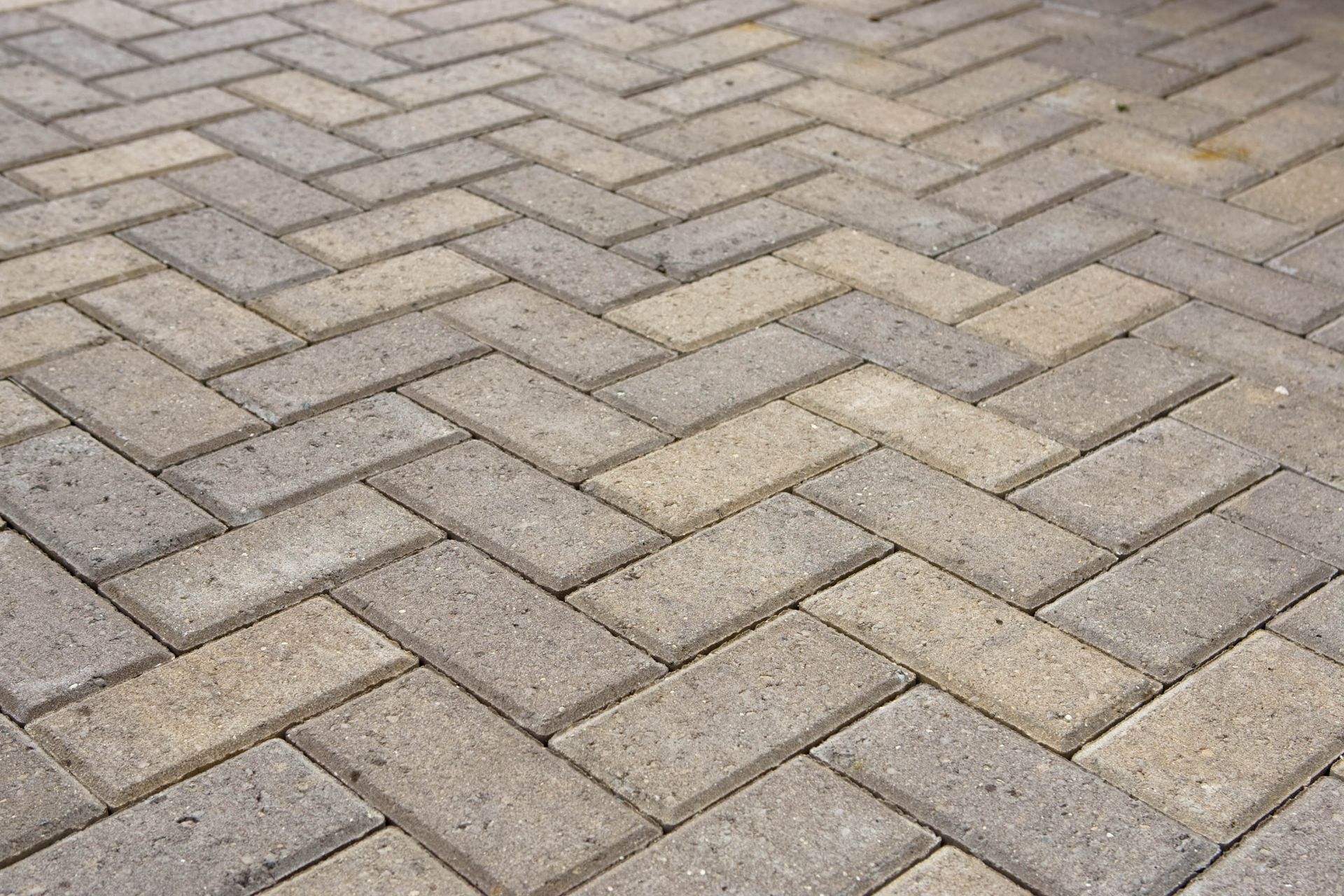
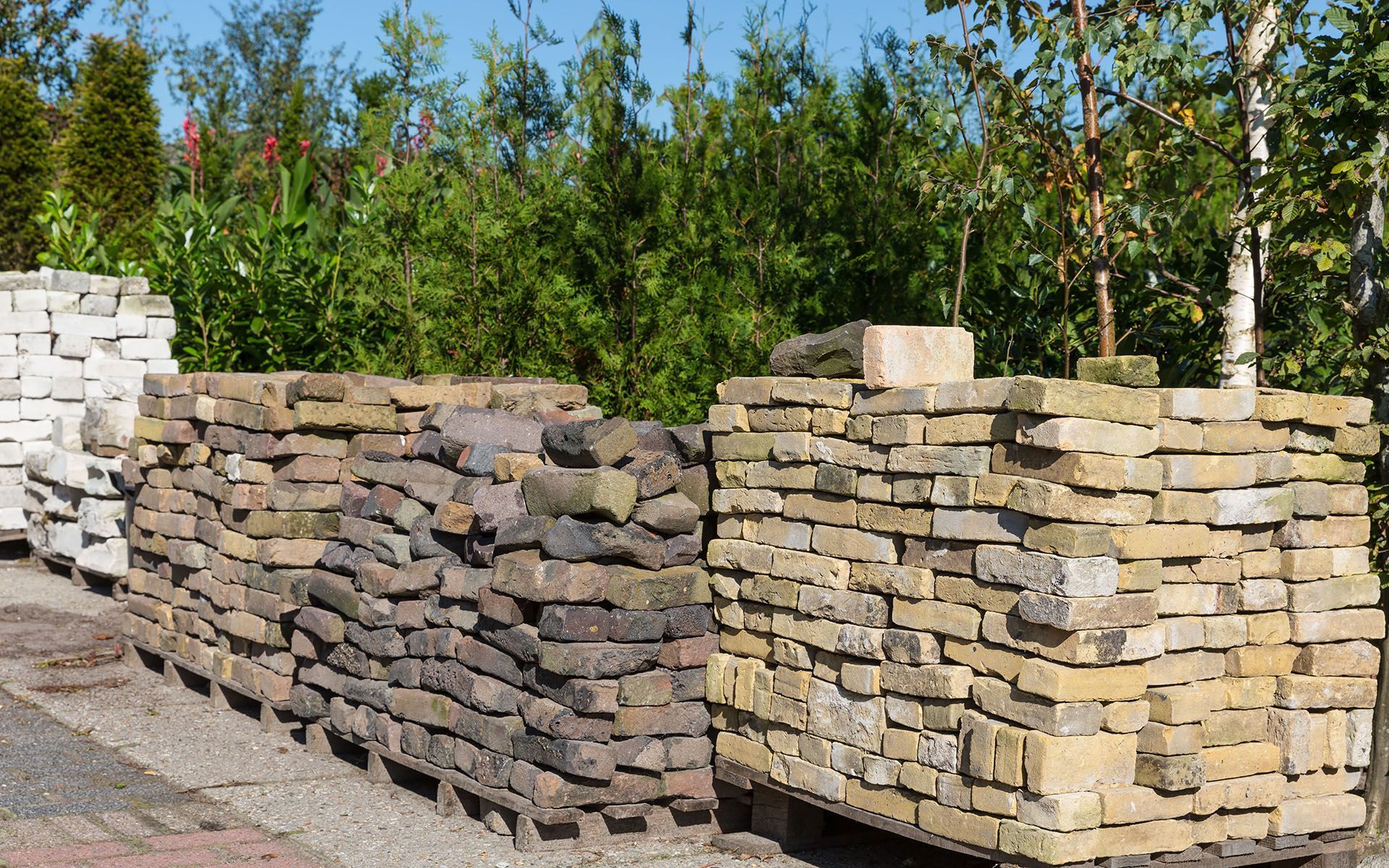
Material selection plays a significant role in both aesthetics and performance. Natural stone creates a timeless appearance with unique textures, while concrete pavers offer consistent sizing and design flexibility. Gravel provides an affordable solution for informal walkways, and brick delivers a classic appearance that complements many architectural styles. Choosing materials that match the home's exterior creates a cohesive outdoor environment.
Balancing Hardscaping and Landscaping
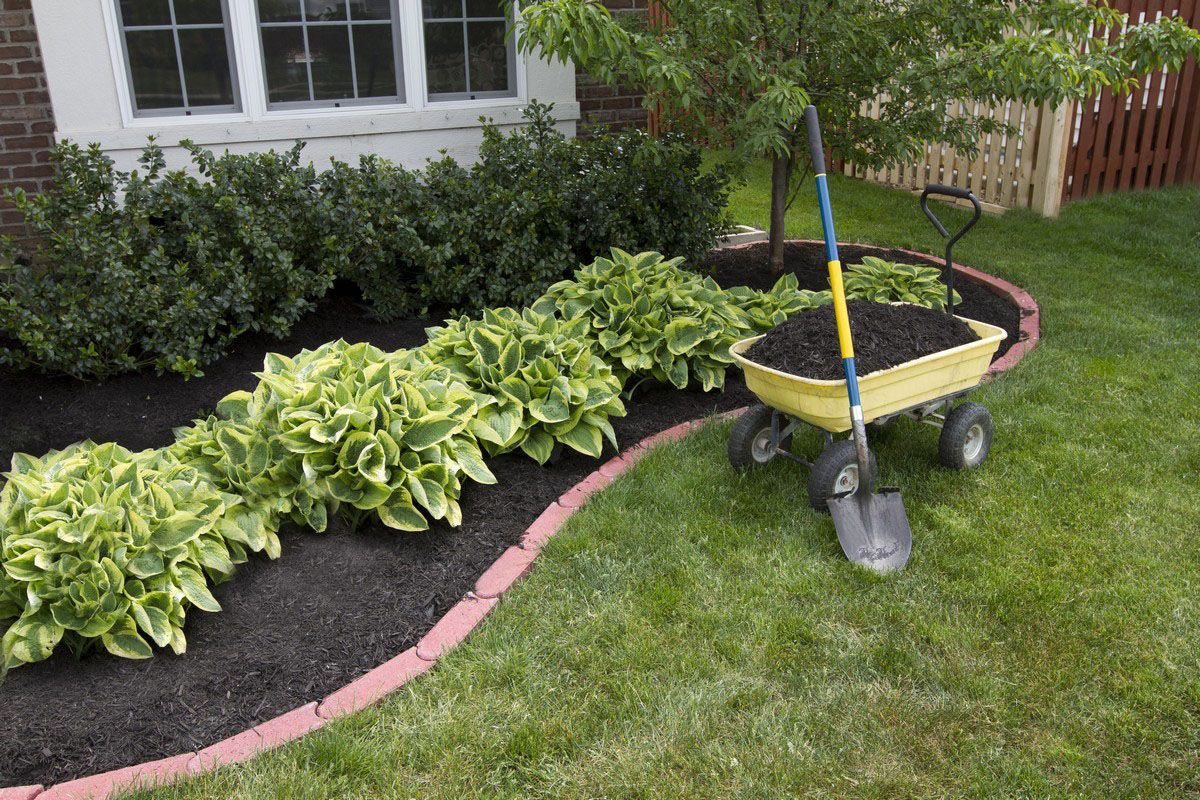
A successful outdoor design balances structural features with natural plantings. Hardscape elements provide organization and define usable spaces, while trees, shrubs, flowers, and lawns soften the appearance and introduce seasonal color. Together, these elements create landscapes that feel both inviting and functional.
Maintenance requirements also differ between the two. Plants require watering, pruning, fertilization, and seasonal attention, whereas hardscape installations generally need only periodic cleaning, sealing, and occasional repairs. Combining both approaches creates attractive landscapes without excessive maintenance demands.
Selecting Features That Fit Your Property
Every property has unique characteristics that influence hardscape design. Consider your home's architectural style, available space, drainage patterns, and intended use before choosing specific features. Contemporary homes often pair well with geometric paver designs and smooth concrete surfaces, while traditional homes may benefit from natural stone walkways and curved garden borders.
Climate should also influence material selection. Areas with frequent freezing and thawing require durable materials that resist cracking, while regions receiving heavy rainfall benefit from permeable pavers that improve drainage. Selecting materials appropriate for local conditions helps maximize longevity while minimizing maintenance.
Budget planning is equally important. According to Petrus, the U.S. landscaping services market is projected to reach $184.1 billion in 2025, demonstrating continued investment in outdoor living spaces. Prioritizing projects that improve both appearance and functionality allows homeowners to maximize long-term value.
Planning Before Construction Begins
Successful hardscape projects begin with careful planning. Evaluate existing grades, drainage, mature trees, and structures before finalizing a design. Identifying potential challenges early helps prevent costly modifications during construction.
Create a realistic budget that accounts for materials, labor, permits, and possible site preparation. Some projects may also require excavation, grading, or utility relocation before installation begins. Working with experienced hardscaping companies during the planning stage can help identify potential obstacles while developing practical solutions that align with your goals.
Creating a Functional Layout
Well-designed landscapes encourage movement while providing comfortable gathering areas. Walkways should naturally connect entrances, patios, gardens, and recreational spaces without feeling crowded or disconnected. Seating areas should provide enough room for entertaining while maintaining clear pathways throughout the yard.
Scale and proportion also influence the finished appearance. Oversized patios can overwhelm small properties, while narrow pathways may feel restrictive. Designing features that complement the available space creates a balanced landscape that feels both comfortable and visually appealing.
Consulting hardscaping companies during the design phase can also help homeowners compare material options and choose features that best support long-term durability and visual appeal.
Understanding Permits and Local Requirements
Many municipalities require permits for retaining walls, large patios, drainage modifications, or structures built near property lines. Checking local regulations before construction begins helps prevent delays and costly corrections later.
Property owners should also verify utility locations before excavation starts. Marking underground electrical, gas, and water lines protects existing infrastructure and improves job-site safety. Experienced contractors often assist homeowners throughout this process by coordinating inspections and preparing required documentation.
Building Durable Patios and Walkways
Proper installation techniques are essential for long-lasting hardscape features. Site preparation includes excavation, grading, compacting the soil, and installing a stable base before laying surface materials. Skipping these steps can lead to settling, uneven surfaces, and drainage problems over time.
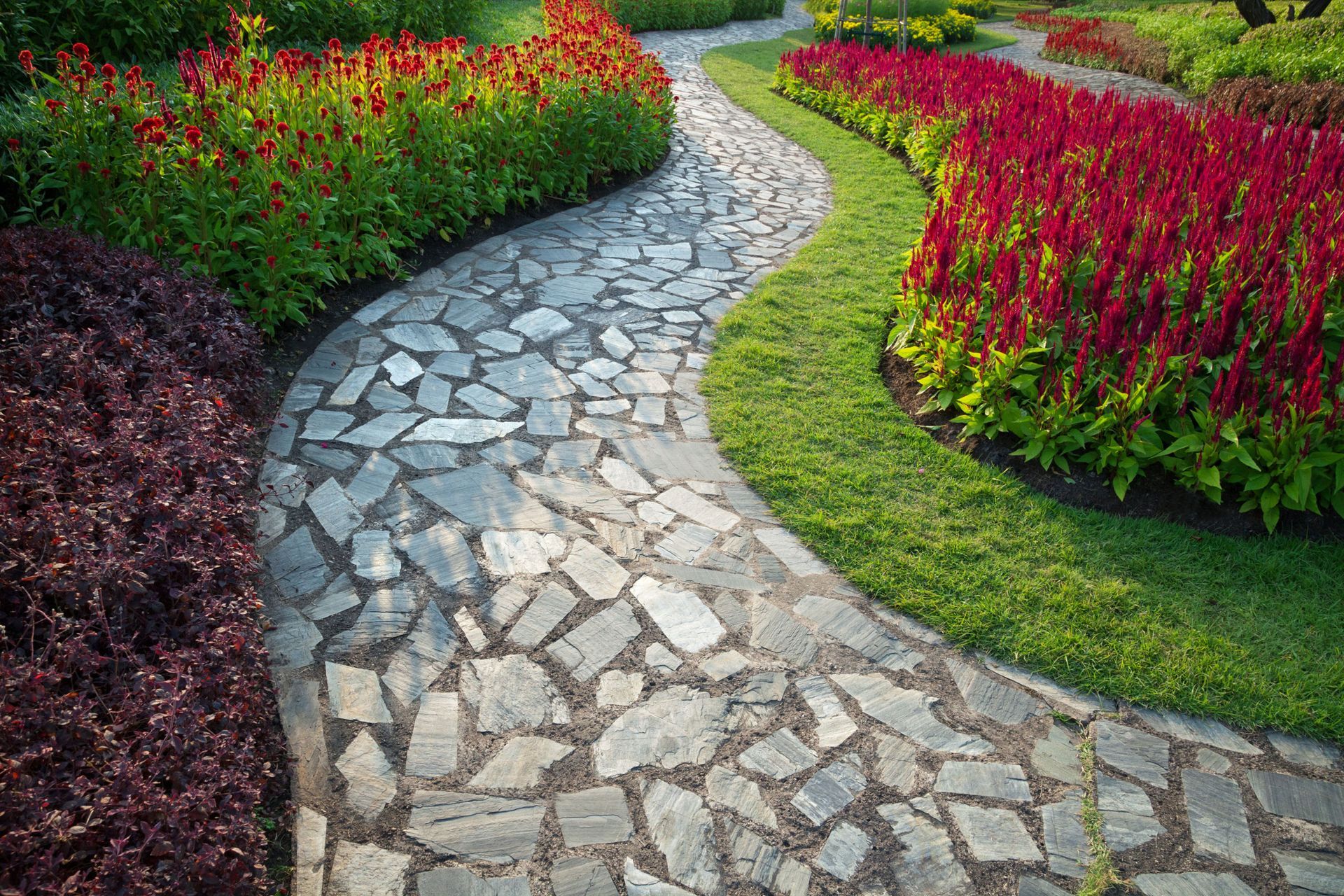
Patios provide versatile outdoor living areas suitable for dining, entertaining, or relaxing. Walkways improve accessibility while guiding visitors through gardens and recreational spaces. Choosing quality materials and proper installation methods ensures these features remain attractive and functional for years.
Installing Retaining Walls
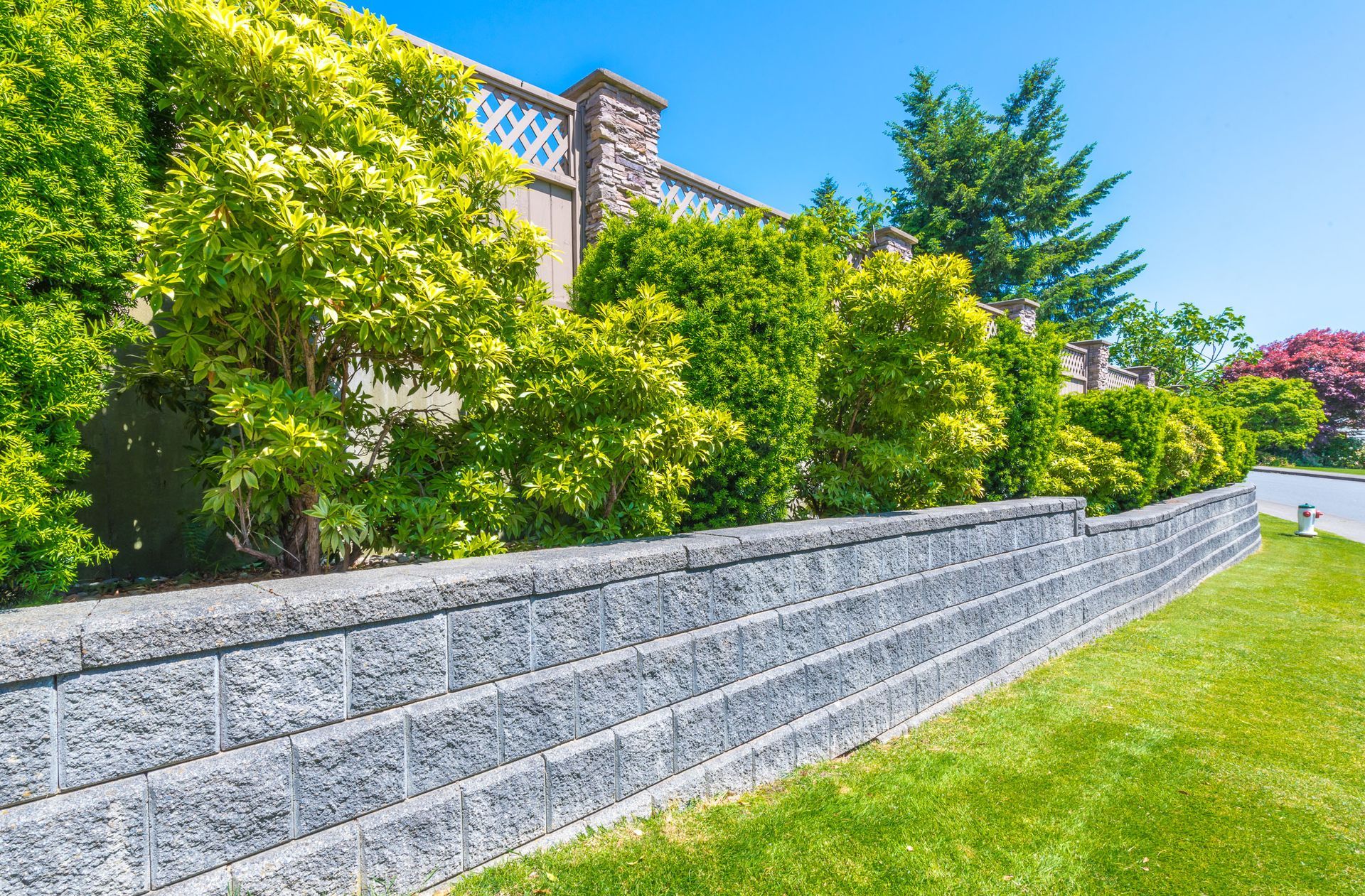
Retaining walls serve both decorative and structural purposes by preventing soil erosion and creating level planting areas on sloped properties. Material choices include natural stone, segmental retaining wall blocks, concrete, and timber, each offering different visual characteristics and performance benefits.
Drainage behind retaining walls is equally important. Proper backfill materials and drainage systems relieve water pressure that could otherwise damage the structure. Larger retaining walls often require engineering considerations to ensure long-term stability and safety.
Incorporating Water Features
Water features introduce movement, sound, and visual interest into outdoor living spaces. Whether you choose a small bubbling fountain, a decorative pond, or a cascading waterfall, water creates a relaxing atmosphere while serving as an attractive focal point. These additions can also attract birds and other beneficial wildlife, increasing the ecological value of your landscape.
Proper planning is essential before installation. Pumps, plumbing, electrical connections, and filtration systems should be incorporated into the design to simplify maintenance and maximize efficiency. Many hardscaping companies can recommend water features that complement the size and style of your property while minimizing long-term upkeep.
Maintaining Your Hardscape Investment
Routine maintenance helps preserve both the appearance and structural integrity of hardscape installations. Dirt, algae, leaves, and other debris should be removed regularly to prevent staining and slippery surfaces. Pressure washing, sweeping, and occasional sealing help maintain the original finish of pavers, stone, and concrete surfaces.
Seasonal inspections allow homeowners to identify minor issues before they become expensive repairs. Small cracks, loose pavers, or areas of settling can often be corrected quickly when addressed early. Developing a regular maintenance schedule protects your investment and extends the lifespan of every outdoor feature.
Many hardscaping companies also provide maintenance recommendations that help preserve the appearance and stability of completed outdoor installations over time.
Preparing for Seasonal Changes
Weather conditions can affect hardscape materials throughout the year. Freeze-thaw cycles may cause concrete to crack, while excessive moisture can encourage moss or algae growth on shaded surfaces. Applying appropriate sealants and ensuring adequate drainage helps reduce weather-related damage.
Autumn is an excellent time to remove leaves from patios and walkways, while spring provides an opportunity to inspect retaining walls, joints, and drainage systems after winter weather. Consistent seasonal maintenance reduces repair costs and keeps outdoor spaces looking their best.
Enhancing Outdoor Spaces with Lighting
Landscape lighting extends the usability of outdoor spaces well into the evening while highlighting architectural and landscape features. Low-voltage LED fixtures, pathway lights, accent lighting, and uplighting can improve both beauty and functionality without significantly increasing energy consumption.
Lighting should be positioned strategically to illuminate steps, walkways, patios, and gathering areas without creating excessive glare. When thoughtfully designed, lighting improves safety while adding warmth and character to the landscape. Experienced hardscaping companies frequently incorporate lighting plans into larger outdoor renovation projects to create a seamless finished design.
Creating an attractive and functional landscape requires careful planning, quality materials, and attention to detail. By balancing structural features with natural plantings, selecting durable products, and maintaining installations throughout the year, homeowners can enjoy outdoor spaces that remain beautiful in every season. Whether your project involves a simple patio or a complete backyard transformation, working with experienced hardscaping companies can help bring your vision to life while ensuring lasting performance, beauty, and value. Contact our team at Edward Gosman & Associates Inc today and learn more about our hardscaping services.
Share On: